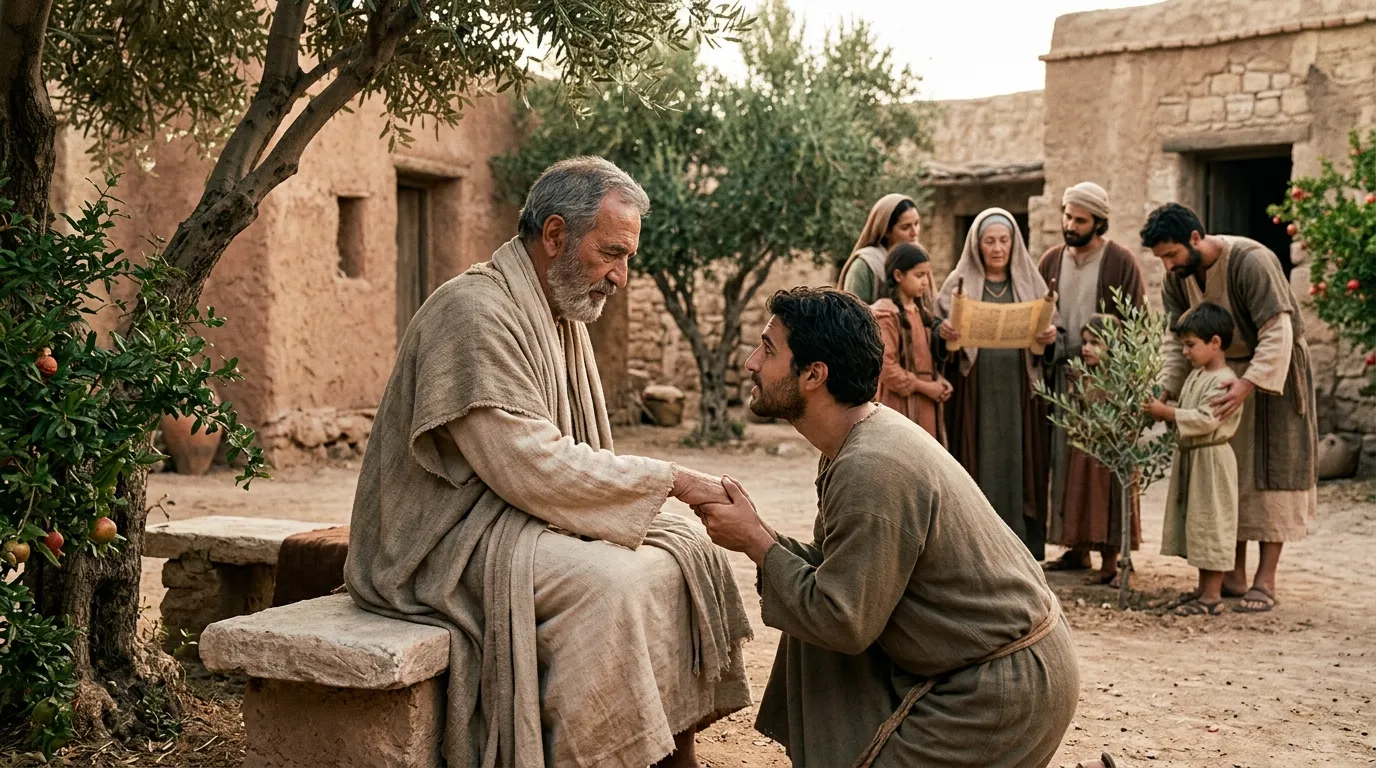
Have you ever wondered what it truly means to honor God not just in your Sunday morning worship but in your Monday morning decisions, your relationships, your words, and every ordinary moment of your daily life? That deeply important question leads us straight into the heart of the honor meaning in the Bible and opens up one of the most practical and life transforming truths woven throughout the entire fabric of God’s Word.
Honor in Scripture carries a richness and weight that goes far beyond simple politeness or surface level respect. The Hebrew word for honor is kavod meaning weight, glory or significance and it describes the act of ascribing the highest worth, the greatest value, and the deepest reverence to God and to the people he has placed in our lives.
The honor meaning in the Bible calls every believer to a lifestyle of intentional and wholehearted devotion that reflects the character and glory of God in every single area of life. Proverbs 3:9 gives every believer one of Scripture’s clearest and most practical commands declaring, “Honor the Lord with your wealth with the firstfruits of all your crops.”
This powerful verse captures the entire honor meaning in the Bible in one profoundly simple instruction honor is never just an attitude or a feeling. It is always expressed through deliberate, sacrificial, and faith filled action that places God first in every area of your life without reservation compromise or condition.
Understanding the honor meaning in the Bible will completely transform how you approach your finances, your relationships, your time, and every decision you make from this day forward.
What Does Honor Mean in the Bible?
In the Bible, honor means showing deep respect, value, reverence, and recognition toward God and others. Biblical honor involves both attitude and action, expressing love, obedience, humility, and appreciation for the dignity and authority God has established.
Simply put, the honor meaning in the Bible includes:
- Deep respect.
- Reverence.
- Esteem.
- Value.
- Dignity.
- Obedience expressed through love.
Does the Word “Honor” Appear in the Bible?
Yes.
The word honor appears many times throughout both the Old and New Testaments.
The Bible commands believers to honor God, parents, governing authorities, marriage, elders, and fellow Christians.
Honor is also described as something that God gives to those who faithfully serve Him.
It is one of Scripture’s central themes for healthy relationships and faithful living.
Hebrew and Greek Origins of “Honor”
To fully understand the honor meaning in the Bible, it’s helpful to explore the original biblical languages.
Hebrew: Kabod (כָּבוֹד)
The primary Hebrew word connected with honor is Kabod.
It means:
- Honor.
- Glory.
- Weight.
- Importance.
- Worth.
- Splendor.
The idea behind Kabod is giving someone great value and recognizing their significance.
When used of God, it often refers to His glorious majesty and greatness.
Greek: Timaō (τιμάω)
The primary Greek word translated as honor is Timaō.
It means:
- To honor.
- To value.
- To respect.
- To be highly esteemed.
- To show proper regard.
The New Testament uses this word when teaching believers to honor God and treat others with dignity and respect.
Together, these original words show that biblical honor is far more than outward politeness—it reflects the value we place on God and on people created in His image.
Why Is Honor an Important Biblical Theme?
Honor is essential because it shapes our relationships with God and with others.
The Bible teaches that honoring God leads to wisdom, while honoring others demonstrates love, humility, and obedience.
Understanding the honor meaning in the Bible helps answer important questions such as:
- Why should we honor God?
- Why is honoring parents one of the Ten Commandments?
- How should Christians honor one another?
- What blessings come from living honorably?
Throughout Scripture, honor reflects a heart that recognizes God’s authority and values others according to His design.
The Biblical Meaning of Honor: Powerful Spiritual Lessons
1. Honor Begins With Honoring God
The first and greatest lesson connected with the honor meaning in the Bible is that God deserves the highest honor.
Everything believers do should reflect reverence, worship, obedience, and love for Him.
When God is honored first, every other relationship is strengthened.
Bible Verse
“Them that honour me I will honour.” — 1 Samuel 2:30 (KJV)
Simple Explanation
God promises to honor those who sincerely honor Him.
Honoring God means placing Him first in our lives and living according to His Word.
Modern Example
A believer who chooses integrity over personal gain because they desire to please God is honoring Him through faithful obedience.
Life Application
Ask yourself:
“Am I giving God first place in my decisions, priorities, and daily life?”
True honor begins with wholehearted devotion to God.
2. Honoring Parents Reflects God’s Design
Another foundational lesson connected with the honor meaning in the Bible is God’s command to honor parents.
This command teaches respect, gratitude, and appreciation for those whom God has placed in our lives.
Although honoring parents does not mean approving sinful behavior, it does involve treating them with dignity and respect whenever possible.
Bible Verse
“Honour thy father and thy mother.” — Exodus 20:12 (KJV)
Simple Explanation
God commands children and adults alike to treat their parents with respect and appreciation.
This command reflects God’s desire for healthy families and strong communities.
Modern Example
An adult child who patiently cares for aging parents, listens respectfully, and expresses gratitude demonstrates biblical honor.
Life Application
Ask yourself:
“How can I show greater respect and appreciation to those God has placed in my life?”
Honoring others reflects a heart that honors God.
3. Honor Means Valuing and Respecting Others
One of the most practical lessons connected with the honor meaning in the Bible is that believers are called to treat every person with dignity and respect.
Because every human being is created in the image of God, people deserve to be treated with kindness, compassion, and fairness.
Biblical honor is not based on a person’s wealth, status, or achievements. Instead, it reflects God’s love and recognizes the value He has placed on every individual.
Bible Verse
“Be kindly affectionate one to another with brotherly love; in honour preferring one another.” — Romans 12:10 (KJV)
Simple Explanation
Paul teaches believers to put others before themselves by showing genuine love and respect.
Honor encourages humility rather than selfishness.
Modern Example
Listening carefully to someone’s opinions, speaking respectfully during disagreements, and celebrating another person’s success are practical ways of showing honor.
Life Application
Ask yourself:
“Do I treat others with the same respect and dignity that I hope to receive?”
Choosing honor strengthens relationships and reflects Christ’s character.
4. Honor Is Closely Connected With Humility
Another important lesson connected with the honor meaning in the Bible is that true honor grows from humility.
The Bible teaches that people who humble themselves before God are often honored by Him.
Instead of seeking recognition for ourselves, believers are encouraged to serve others faithfully and trust God with the results.
Bible Verse
“Before honour is humility.” — Proverbs 15:33 (KJV)
Simple Explanation
Humility prepares the heart for honor.
God values people who serve Him sincerely rather than those who seek praise for themselves.
Modern Example
A leader who gives credit to the entire team instead of seeking personal recognition demonstrates biblical humility and honor.
Life Application
Ask yourself:
“Am I seeking recognition from people, or am I faithfully serving God with humility?”
God honors hearts that are humble and obedient.
5. Living Honorably Brings Glory to God
The honor meaning in the Bible also teaches that our daily choices should reflect God’s goodness.
When believers live with honesty, integrity, kindness, and faithfulness, they bring honor to God’s name.
Our actions become a testimony of His work in our lives.
Bible Verse
“Let your light so shine before men, that they may see your good works, and glorify your Father which is in heaven.” — Matthew 5:16 (KJV)
Simple Explanation
Jesus teaches that believers should live in a way that points others toward God.
A life of honor reflects God’s love and truth.
Modern Example
Someone who consistently keeps promises, treats others fairly, and responds with grace during difficult situations demonstrates a life that honors God.
Life Application
Ask yourself:
“Does my lifestyle encourage others to see God’s goodness?”
Living honorably becomes a powerful witness to those around us.
Bible Verses About Honor Explained Simply
The Bible contains many passages that reveal the honor meaning in the Bible and show how believers should honor God and others.
1 Samuel 2:30 — God Honors Those Who Honor Him
“Them that honour me I will honour.”
Simple Meaning
God values those who sincerely worship and obey Him.
Exodus 20:12 — Honor Your Parents
“Honour thy father and thy mother.”
Simple Meaning
God calls believers to show respect, gratitude, and care for their parents.
Romans 12:10 — Honor One Another
“In honour preferring one another.”
Simple Meaning
Christians should treat one another with love, humility, and respect.
Proverbs 15:33 — Humility Comes Before Honor
“Before honour is humility.”
Simple Meaning
God often blesses those who humbly serve him rather than those who seek personal glory.
Matthew 5:16 — Bring Glory to God
“Glorify your Father which is in heaven.”
Simple Meaning
Living honorably helps others recognize God’s goodness and truth.
Why the Honor Meaning in the Bible Still Matters Today
Although the Bible was written centuries ago, the honor meaning in the Bible remains highly relevant today.
When Building Healthy Relationships
Honor encourages respect, patience, forgiveness, and kindness, creating stronger families, friendships, and communities.
When Serving in Leadership
Biblical honor reminds leaders to serve with humility, integrity, and compassion instead of seeking power or recognition.
When Strengthening Marriages
Mutual honor helps spouses build relationships marked by love, trust, sacrifice, and respect.
When Living in a Divided World
Choosing to treat others with dignity—even during disagreements—reflects God’s wisdom and demonstrates Christian character.
When Growing Spiritually
Honoring God through worship, obedience, and faithful living helps believers mature in faith and become more like Christ.
Dreams, Repeated Signs, and Synchronicity: What Could Honor Mean Spiritually?
Many people begin searching for the honor meaning in the Bible after reading the Ten Commandments, studying passages about honoring God, or reflecting on how Christians should treat others.
Others become curious after dreaming about receiving an award, showing respect to someone, bowing before a king, caring for parents, or being recognized for faithful service.
These experiences may raise questions such as:
- Why do I keep reading about honor in the Bible?
- Does dreaming about honor have a spiritual meaning?
- Could God be teaching me about humility and respect?
- What does biblical honor look like in everyday life?
These are thoughtful questions, and Scripture encourages believers to seek wisdom through God’s Word.
The Bible records occasions when God communicated through dreams to certain individuals. However, it also teaches that not every dream, repeated word, or meaningful coincidence should automatically be viewed as a direct message from God.
God’s written Word remains the believer’s most reliable guide for understanding honor and living faithfully.
The Spiritual Meaning of Repeatedly Seeing the Word “Honor”
If the word honor repeatedly appears during Bible study, sermons, devotionals, or personal conversations, it may encourage you to reflect more deeply on your relationship with God and with others.
Consider asking yourself:
- Am I honoring God in my daily choices?
- Do I treat others with dignity and respect?
- Am I living with humility?
- Do my words bring honor or harm?
- How can I better reflect Christ’s character?
These questions encourage spiritual growth and self-examination.
Biblical honor begins with a heart that values God above everything else and seeks to love others sincerely.
Dreaming About Honor: A Biblical Perspective
Dreams involving respect, awards, crowns, serving others, parents, kings, or public recognition often leave people wondering whether they have spiritual significance.
The Bible contains examples of dreams used by God for specific purposes.
At the same time, Scripture does not teach that every dream should be interpreted as a divine revelation.
Many dreams reflect personal experiences, emotions, hopes, memories, and spiritual concerns.
If you dream about themes connected with honor, it may encourage reflection on:
- Humility.
- Faithfulness.
- Obedience.
- Respect.
- Integrity.
- Gratitude.
- Serving God faithfully.
Rather than asking,
“Is this dream predicting my future?”
consider asking,
“What biblical principle about honor can I apply to my life today?”
This approach keeps your focus on Scripture instead of speculation.
Understanding Synchronicity from a Christian Perspective
Some people describe meaningful repeated experiences as synchronicity.
Perhaps you read Exodus 20 about honoring parents, later hear a sermon about honoring God, and then have a conversation about showing respect to others.
Experiences like these may seem especially meaningful.
From a biblical perspective, they should always be evaluated by God’s Word.
Helpful questions include:
- Does this agree with Scripture?
- Does it encourage humility and obedience?
- Does it strengthen my relationship with God?
- Does it help me love and respect others?
- Does it reflect Christ’s example?
If repeated experiences motivate you to honor God and serve others faithfully, they have already served a valuable spiritual purpose.
The goal is faithful obedience, not searching for hidden signs.
The Psychological Perspective: Why Certain Biblical Themes Stay in Your Mind
Psychology also helps explain why certain spiritual themes become especially meaningful during different seasons of life.
These insights complement biblical teaching without replacing it.
The Role of the Subconscious Mind
The human mind naturally continues processing ideas that carry emotional significance.
If you have recently been thinking about relationships, leadership, family, or spiritual growth, your brain may become more aware of words such as:
- Honor.
- Respect.
- Humility.
- Integrity.
- Service.
- Faithfulness.
This increased awareness is a normal part of attention and memory.
Honor Shapes Healthy Relationships
Psychologists recognize that mutual respect strengthens trust, communication, and emotional security.
The Bible teaches this same principle by encouraging believers to honor one another in love.
Showing honor creates healthier families, friendships, churches, and communities.
Emotional Symbolism in Dreams
Dreams often express emotions through symbolic images.
For example:
- A crown may symbolize responsibility or faithful service.
- Bowing may represent humility or respect.
- Receiving an award may symbolize appreciation or personal growth.
- Caring for parents may represent gratitude and responsibility.
- A king may symbolize authority or leadership.
These symbols should not automatically be viewed as supernatural messages.
More often, they reflect personal values, emotions, or spiritual themes that deserve thoughtful reflection.
Scientific Insights: Why Honor and Respect Matter
Modern psychology and social science show that respect, gratitude, and integrity contribute to healthier relationships and stronger communities.
Although science cannot define spiritual truth, it helps explain why biblical principles are beneficial.
Respect Strengthens Relationships
Research consistently shows that people who treat others with respect build greater trust and experience healthier relationships.
The Bible has long taught believers to honor one another with humility and love.
Humility Supports Personal Growth
Studies suggest that humble people are often more open to learning, cooperation, and personal development.
Scripture likewise teaches that humility comes before honor and that God gives grace to the humble.
Gratitude Improves Emotional Well-Being
Expressing appreciation strengthens emotional health and relationships.
Biblical honor naturally includes gratitude toward God and appreciation for the people He has placed in our lives.
Practical Life Lessons from the Honor Meaning in the Bible
Understanding the honor meaning in the Bible becomes most valuable when it shapes everyday living.
Honor God First
Make worship, prayer, and obedience a daily priority.
Giving God first place is the highest expression of honor.
Treat Others With Respect
Show kindness, patience, and dignity to family members, coworkers, neighbors, and strangers.
Every person is created in God’s image.
Practice Humility
Choose service over selfish ambition.
Look for opportunities to encourage others instead of seeking recognition for yourself.
Keep Your Commitments
Faithfulness, honesty, and integrity are practical ways to live honorably before God and people.
Be Grateful
Express appreciation to God for His blessings and thank the people who have positively influenced your life.
A grateful heart reflects biblical honor.
A Balanced and Trustworthy Perspective
As we’ve explored the honor meaning in the Bible, one important truth deserves emphasis.
Not every dream, repeated word, emotional experience, or coincidence should automatically be interpreted as a supernatural message from God.
The Bible already clearly teaches what honor means.
It calls believers to:
- Honor God above all.
- Respect parents and others.
- Live with humility and integrity.
- Reflect Christ’s love through daily actions.
If the theme of honor continues standing out to you:
- Read Scripture regularly.
- Pray for wisdom.
- Practice humility.
- Treat others with respect.
- Allow God’s Word to shape your character.
God’s Word remains the believer’s sure foundation for understanding honor.
FAQs
What is the honor meaning in the Bible?
The honor meaning in the Bible refers to showing deep respect, value, reverence, and dignity toward God and others through both attitude and action.
Why is honoring God important?
Honoring God acknowledges His authority, holiness, and love. It is expressed through worship, obedience, trust, and faithful living.
Why does the Bible command us to honor our parents?
Honoring parents reflects gratitude, respect, and obedience to God’s design for family relationships. It is one of the Ten Commandments.
Does biblical honor apply to other people?
Yes. Christians are called to honor one another by treating every person with kindness, dignity, humility, and respect because all people are created in God’s image.
How can I live a life of honor?
You can live honorably by honoring God first, respecting others, practicing humility, keeping your promises, speaking truthfully, and allowing your actions to reflect Christ’s character.
Final Thoughts:
The honor meaning in the Bible ultimately calls every believer to the most fulfilling and purpose driven way of living available to any human being a life fully devoted to glorifying God in everything you do, say, think, and choose every single day.
When you honor God with your whole life you align yourself with the very purpose for which you were created and step into the fullness of blessing, peace, and divine favor that he has always intended for you.
Romans 12:10 extends this call beautifully beyond our relationship with God into our relationships with one another declaring, “Be devoted to one another in love honor one another above yourselves.” A life of biblical honor transforms not only your walk with God but every relationship, every community, and every sphere of influence you touch.
So here is your powerful challenge today choose one specific area of your life where you will begin to practically and intentionally live out the honor meaning in the Bible starting right now.

Adrian Cole is a creative author and digital writer known for producing engaging, informative, and inspiring content across multiple topics. His work focuses on creativity, technology, and modern online trends.