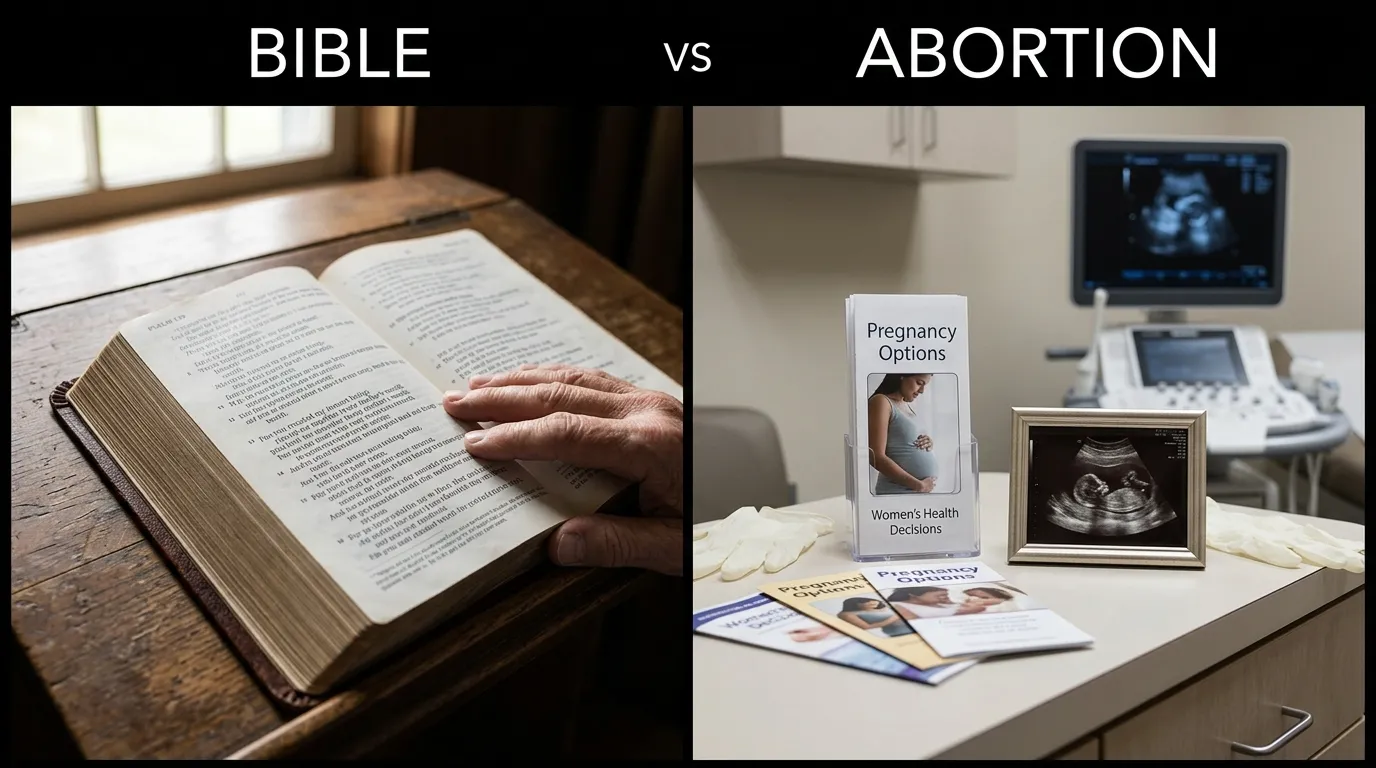
The debate surrounding Bible vs abortion is one of the most powerful and emotionally charged conversations in both faith and society today. Millions of believers turn to Scripture seeking clear answers about life, choice, and God’s divine purpose for every human being.
The Bible, while never using the word “abortion” directly speaks profoundly about life in the womb, the sanctity of human existence and God’s sovereign knowledge of every soul before birth. Passages like Jeremiah 1:5 and Psalm 139:13-16 reveal that God forms knows and values life from conception.
Understanding the Bible vs abortion debate requires honest respectful engagement with Scripture theology and human compassion. If you are a devoted believer a curious seeker or someone navigating a deeply personal decision exploring what the Bible truly says will bring clarity, conviction and a deeper understanding of life’s sacred value in God’s eyes.
Does “Bible vs Abortion” Appear in the Bible? Understanding the Concept
The phrase “bible vs abortion” does not appear directly in the Bible, and the Bible does not contain modern legal terminology about abortion as a defined medical procedure.
However, the Bible does contain themes related to:
- The value of human life
- Creation and purpose
- Moral responsibility
- The sanctity of life
- God’s knowledge of life before birth
Hebrew and Biblical Language Context
In Hebrew thought:
- Life is often connected to “nephesh” (living being, soul, life force)
- Birth is seen as part of God’s creative process
- Human life is deeply sacred and intentional
In Greek (New Testament context):
- Life is tied to “zoe” (spiritual life, divine life)
- Emphasis is placed on compassion, responsibility, and moral conscience
Key Biblical Idea
The central biblical theme is not a legal debate but a spiritual truth:
Life is meaningful, intentional, and known by God.
Biblical View of Life: Core Spiritual Principles
The Bible does not directly discuss modern abortion debates, but it provides principles that shape how life is valued.
1. Life Is Known Before Birth
Verse: Jeremiah 1:5
“Before I formed you in the womb I knew you.”
Meaning
This verse is often understood to express the idea that human life has purpose even before physical development.
It emphasizes:
- Divine awareness
- Pre-birth significance
- Spiritual identity
2. Human Life Has Inherent Worth
Verse: Psalm 139:13–14
“You knit me together in my mother’s womb.”
Meaning
This passage highlights the idea that life is not accidental but formed with care and intention.
It reflects:
- Emotional value of life
- Deep personal identity
- Spiritual formation
3. Moral Responsibility and Compassion
Verse: Micah 6:8
“What does the Lord require of you? To act justly, love mercy, and walk humbly.”
Meaning
This verse shifts focus from judgment to:
- Compassion
- Justice
- Humility
It encourages careful moral reflection rather than emotional extremes.
4. Life, Choice, and Consequences
Verse: Deuteronomy 30:19
“Choose life so that you and your descendants may live.”
Meaning
This emphasizes responsibility in decision-making and long-term consequences of choices.
Spiritual Meaning of the Debate: Beyond Black and White Thinking
The bible vs abortion discussion often reflects deeper human struggles rather than simple answers.
Emotional Layers Behind the Topic
- Fear of the future
- Financial insecurity
- Relationship instability
- Trauma or past pain
- Social pressure
- Moral guilt or confusion
Spiritually, this becomes a reflection of:
- Inner conflict between fear and faith
- Desire for meaning and direction
- Search for forgiveness and clarity
Modern-Day Relevance: Why This Topic Feels So Personal Today
In today’s world, decisions related to life and pregnancy are often influenced by emotional and social pressures.
Common Real-Life Struggles
People facing this topic may experience:
- Anxiety about responsibility
- Fear of judgment
- Relationship breakdowns
- Career and financial pressure
- Emotional trauma
Identity Confusion and Spiritual Stress
Many individuals silently ask:
- “Who am I in this situation?”
- “What is the right moral choice?”
- “Am I alone in this decision?”
This is where spiritual reflection becomes important not as pressure, but as grounding.
Dreams, Signs, and Emotional Synchronicity
Some individuals report spiritual dreams or repeated thoughts during emotionally intense periods.
Spiritual Interpretation
In biblical tradition:
- Dreams can symbolize guidance or reflection
- Emotional experiences often lead to deeper spiritual awareness
- God is sometimes seen as communicating through inner conviction
Psychological Interpretation
From a psychological perspective:
- The subconscious processes emotional stress
- Dreams reflect unresolved fear or responsibility
- Repeated thoughts come from emotional focus
Key Insight
Not every dream is a direct spiritual message, but it can still reveal:
- Emotional state
- Inner conflict
- Hidden fears or hopes
Scientific Insight: How the Mind Processes Moral Decisions
Modern psychology explains that difficult moral decisions activate deep areas of the brain responsible for:
1. Subconscious Processing
The brain stores emotional experiences and brings them forward during stress.
2. Identity Formation
People evaluate decisions based on:
- Self-image
- Values
- Cultural beliefs
3. Emotional Symbolism
Strong emotional topics become symbolic in dreams and thoughts.
4. Stress Response System
High-pressure decisions activate:
- Anxiety responses
- Fear of consequences
- Mental conflict
This explains why topics like bible vs abortion feel emotionally intense.
Practical Life Lessons From Biblical Principles
Regardless of personal belief, the Bible encourages values that help guide emotional and moral clarity.
1. Practice Honest Reflection
Ask yourself:
- What am I truly feeling?
- What is fear vs conviction?
- What outcome do I want long-term?
2. Develop Gratitude and Grounding
Gratitude helps reduce emotional panic and brings clarity during stress.
Simple practice:
- Write 3 things you are grateful for daily
- Focus on stability rather than fear
3. Prayer or Inner Reflection
For believers:
- Prayer brings emotional grounding
For others: - Quiet reflection helps clarity
4. Emotional Awareness
Recognize:
- Fear
- Pressure
- External influence
- Internal conviction
Understanding emotions leads to better decisions.
5. Seek Wise Counsel
The Bible often emphasizes wisdom from trusted advisors.
This may include:
- Mentors
- Counselors
- Faith leaders
- Trusted family members
Balanced Perspective: Understanding Without Extremes
A responsible view recognizes that:
- The Bible emphasizes the value of life
- Modern situations are often complex
- People face deeply personal circumstances
- Judgment without understanding can cause harm
Not every situation is simple. Compassion and understanding are essential in moral discussions.
Featured Snippet Summary
The Bible does not directly mention abortion in modern terms, but it teaches that life is deeply valuable, purposeful, and known by God. Verses like Jeremiah 1:5 and Psalm 139 are often referenced to show that human life has spiritual significance even before birth. However, interpretations vary, and the topic involves both moral principles and complex real-life circumstances.
FAQs:
1. Does the Bible directly mention abortion?
No, the Bible does not use the modern term “abortion,” but it discusses the value and sacredness of life.
2. What Bible verses are used in this discussion?
Common verses include Jeremiah 1:5, Psalm 139:13–14, and Micah 6:8.
3. Is this a simple yes or no issue in Christianity?
Different Christian groups interpret it differently, and the issue is often viewed through compassion, morality, and context.
4. Why does this topic feel emotionally overwhelming?
Because it involves identity, morality, fear, relationships, and future consequences all at once.
5. How should someone think about this topic spiritually?
Through reflection, prayer, wisdom, emotional honesty, and seeking guidance from trusted sources.
Conclusion:
The conversation around bible vs abortion is not just about rules it is about human life emotional struggle moral responsibility and spiritual searching.
At its core, the Bible consistently points toward themes of:
- Life has meaning
- Every person has value
- Choices carry emotional and spiritual weight
- Compassion must guide understanding
In a world filled with pressure, confusion and fear people are not only searching for answers, they are searching for peace within their hearts.
And often, the deepest truth is not found in extreme positions, but in reflection, wisdom and compassion.
Because ultimately, every human life journey is shaped not only by choices but by the search for identity, purpose and hope.

James Harper is a passionate writer and digital creator known for sharing insightful, engaging, and easy-to-understand content. With a strong interest in technology, creativity, and modern trends, he aims to inspire readers through informative articles and fresh ideas. His writing style combines simplicity with professionalism, making content enjoyable for every audience.