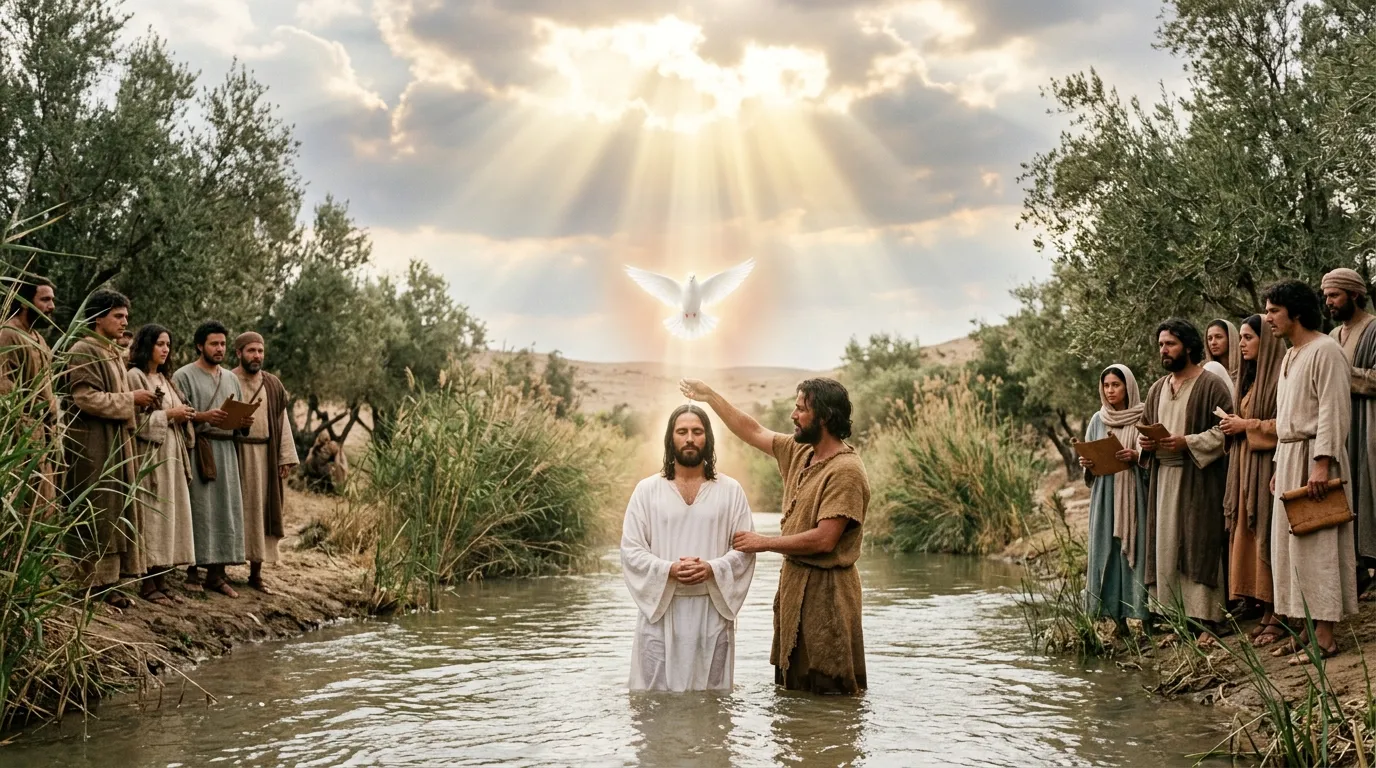
The Trinity in the Bible is one of the most important and deeply discussed teachings in Christianity. It explains how God exists as three distinct persons the Father, the Son, and the Holy Spirit while remaining one God.
Although the word “Trinity” does not directly appear in Scripture, many Bible verses reveal this divine relationship through the actions and unity of God. Christians believe the Father is the Creator, Jesus Christ is the Savior, and the Holy Spirit is the guide and comforter for believers.
Understanding the Trinity helps readers better understand God’s nature, His love, and His plan for humanity. From the creation story in Genesis to the teachings of Jesus in the New Testament, the concept of the Trinity appears throughout the Bible.
This topic continues to inspire faith, theological discussion, and spiritual growth among Christians around the world today and across many different church traditions.
What Does “Trinity in the Bible” Mean?
The Trinity in the Bible refers to the Christian belief that God exists as three persons in one essence: the Father, the Son (Jesus Christ), and the Holy Spirit. The word “Trinity” itself does not appear in the Bible, but the concept is derived from multiple passages that describe God in three distinct but unified forms.
Does the Word “Trinity” Appear in the Bible?
The exact word “Trinity” does not appear in the biblical text.
However, the concept is built from Greek theological language:
- “Trias” (Greek) meaning “three”
- Early Christian writers later used the term Trinitas (Latin)
So while the word is not directly written in Scripture, the biblical foundation of the Trinity is drawn from interconnected verses across the Old and New Testaments.
Biblical Foundation of the Trinity
The doctrine of the Trinity is not explained in one single verse but is revealed gradually throughout Scripture.
1. God the Father
God is consistently shown as the Creator and Sustainer.
- “In the beginning God created the heavens and the earth.” (Genesis 1:1)
Meaning
God the Father represents:
- Authority
- Creation
- Source of life
- Divine will
2. God the Son (Jesus Christ)
Jesus is presented as divine and eternal.
- “In the beginning was the Word, and the Word was with God, and the Word was God.” (John 1:1)
Meaning
Jesus represents:
- Redemption
- Love in human form
- Sacrifice
- Connection between God and humanity
3. God the Holy Spirit
The Holy Spirit is described as active and guiding.
- “But the Helper, the Holy Spirit will teach you all things.” (John 14:26)
Meaning
The Holy Spirit represents:
- Guidance
- Inner peace
- Wisdom
- Emotional conviction
Spiritual Meaning of the Trinity in the Bible
1. Unity in Diversity
The Trinity shows that three distinct persons exist in perfect unity.
Spiritual Insight
This reflects a deeper truth about life:
- Different roles can exist in harmony
- Diversity does not mean division
- True unity requires balance
Personal Reflection
Many people struggle with internal conflict:
- Mind vs emotions
- Faith vs doubt
- Identity vs pressure
The Trinity symbolizes inner harmony through alignment rather than fragmentation.
2. Divine Relationship and Love
The Trinity reveals that God is not isolated but relational.
Bible Insight
- “God is love.” (1 John 4:8)
Meaning
Love requires a relationship. The Father, Son, and Holy Spirit represent eternal connection.
Human Application
This teaches that:
- Healthy relationships are spiritually important
- Isolation increases emotional distress
- Connection supports healing and growth
3. Identity and Belonging
The Trinity reflects identity rooted in connection.
Psychological Insight
Humans form identity through relationships:
- Family
- Community
- Belief systems
Spiritual Meaning
The Trinity suggests that identity is not solitary but relational and meaningful.
This can help people struggling with:
- Loneliness
- Self-worth issues
- Emotional disconnection
4. Guidance and Inner Awareness
The Holy Spirit represents inner guidance.
Key Verse
“The Spirit of truth will guide you into all truth.” (John 16:13)
Meaning
This symbolizes:
- Intuition
- moral awareness
- emotional clarity
Modern Application
People often experience:
- gut feelings
- inner conviction
- emotional warning signals
The Trinity framework interprets this as spiritual guidance aligned with conscience.
5. Redemption and Healing
Jesus represents restoration and forgiveness.
Key Verse
“He heals the brokenhearted and binds up their wounds.” (Psalm 147:3)
Meaning
The Trinity includes the idea that:
- Brokenness is not final
- Healing is possible
- Grace transforms identity
Modern-Day Relevance of the Trinity
The Trinity in the Bible is not just theological, it deeply connects with modern emotional and psychological struggles.
Anxiety and Inner Conflict
Many people feel mentally divided:
- Overthinking vs emotional fear
- Pressure vs peace
- Identity confusion
The Trinity symbolizes integration and inner balance.
Identity Confusion
In a fast-moving digital world, identity is often shaped by:
- Social media comparison
- Career pressure
- Relationship expectations
The Trinity teaches that identity is:
- rooted in relationship
- stable beyond external validation
Relationships and Emotional Health
The Trinity reflects perfect relationship harmony.
It teaches:
- communication matters
- unity requires understanding
- love involves sacrifice and patience
These principles are directly applicable to:
- marriages
- friendships
- family relationships
Personal Growth
The Trinity supports the idea of balanced growth:
- Mind (understanding)
- Heart (emotion)
- Spirit (purpose)
When aligned, a person experiences clarity and direction.
Dreams, Signs, and Synchronicity Related to the Trinity
Some people report dreaming about:
- light or divine presence
- three symbolic figures
- spiritual unity themes
- repeated biblical references
Spiritual Interpretation
In Christian tradition:
- God may communicate through dreams
- symbolic numbers (like three) can represent completeness
Psychological Interpretation
From a psychological perspective:
- dreams reflect subconscious processing
- symbols represent emotional experiences
- repeated patterns come from memory reinforcement
The number three often symbolizes:
- balance
- structure
- resolution of conflict
Scientific Insights: Mind, Symbolism, and Identity
Modern psychology helps explain why spiritual concepts like the Trinity feel meaningful.
Subconscious Mind
The brain processes:
- emotional experiences
- beliefs
- fears
- hopes
Symbolic ideas like the Trinity help organize complex emotions.
Identity Formation
Humans build identity through:
- relationships
- narratives
- belief systems
The Trinity becomes a framework for understanding:
- connection
- belonging
- purpose
Emotional Symbolism
The brain naturally assigns meaning to patterns:
- three = balance or completeness
- unity = safety
- divine relationship = emotional stability
This is why spiritual concepts often feel deeply personal.
Practical Life Lessons From the Trinity
1. Build Inner Balance
Focus on aligning:
- thoughts
- emotions
- actions
2. Strengthen Relationships
Healthy relationships require:
- communication
- forgiveness
- patience
3. Practice Reflection
Ask daily:
- What am I feeling?
- What do I believe?
- What do I need to change?
4. Cultivate Gratitude
Gratitude improves:
- emotional stability
- mental clarity
- spiritual awareness
5. Develop Emotional Awareness
Notice:
- stress triggers
- emotional patterns
- internal conflict
Balanced Perspective: Symbolism vs Reality
It is important to remain balanced.
Not every number, dream, or emotional experience is a direct divine message. Sometimes meaning comes from:
- subconscious processing
- emotional memory
- psychological association
However, spiritual symbolism can still inspire:
- personal growth
- reflection
- healing
- stronger values
Healthy understanding combines:
- faith
- psychology
- emotional intelligence
FAQs:
What is the Trinity in simple words?
The Trinity means one God in three persons: Father, Son, and Holy Spirit.
Is the word “Trinity” found in the Bible?
No, the word is not directly in the Bible, but the concept is based on multiple passages.
Why is the Trinity important?
It explains God’s nature as relational, unified, and present in different forms of divine interaction.
What does the Trinity mean spiritually?
It represents unity, love, relationship, and divine balance.
How does the Trinity relate to daily life?
It helps people understand identity, emotional balance, relationships, and spiritual connection.
Conclusion:
The Trinity in the Bible is more than a theological idea it is a powerful symbol of unity, love, and divine relationship that speaks directly to human identity and emotional life.
In a world filled with anxiety, confusion, and emotional pressure, the Trinity offers a reminder that:
- you are not meant to live in isolation
- identity is rooted in connection
- healing is possible through grace
- balance brings peace
- love is at the center of existence
Whether understood spiritually or reflected through psychological insight, the Trinity continues to inspire people toward deeper self-awareness, emotional healing, and purpose.
At its heart, it carries a timeless message: you are seen, you are connected, and you are part of something greater than yourself.

Adrian Cole is a creative author and digital writer known for producing engaging, informative, and inspiring content across multiple topics. His work focuses on creativity, technology, and modern online trends.