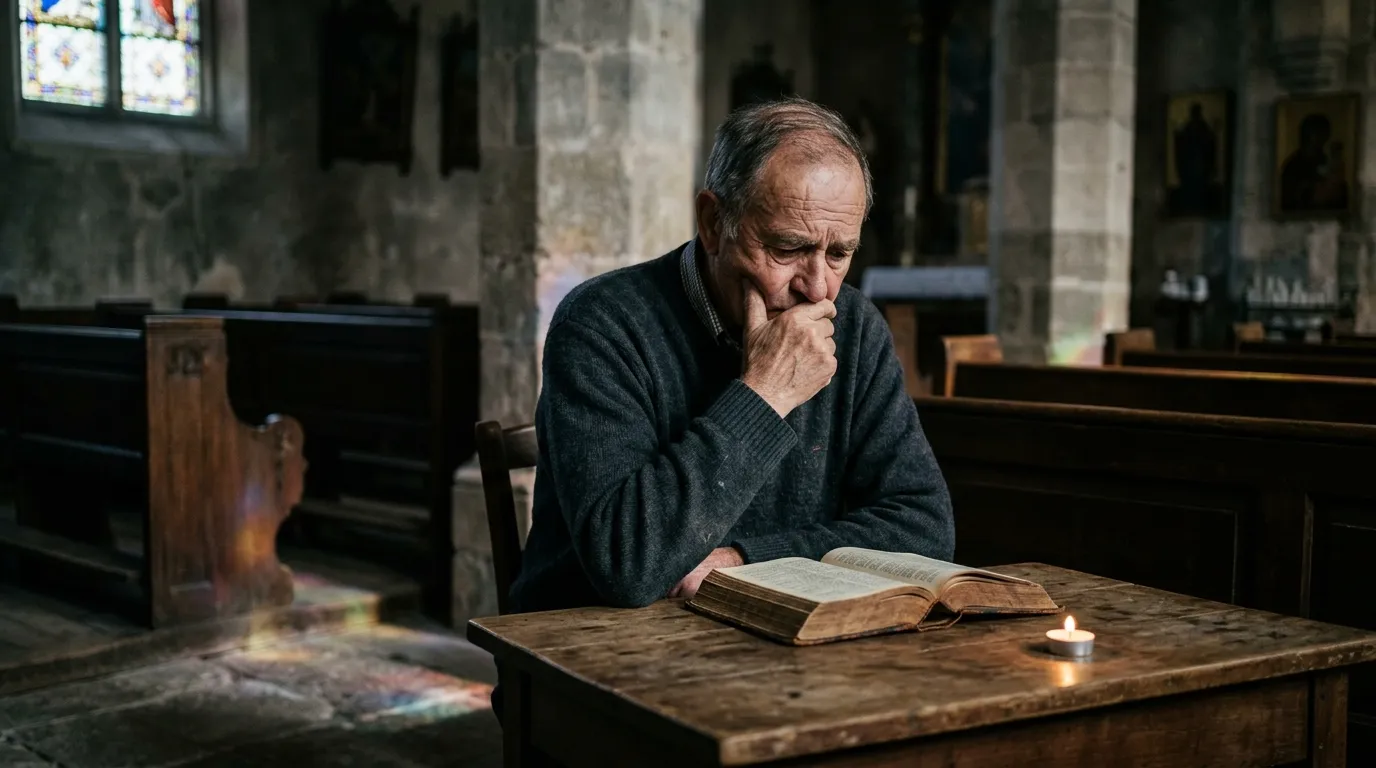
The term “Unforgivable Sin Meaning” often creates confusion and fear among people seeking spiritual understanding. In Christianity, the unforgivable sin is commonly linked to blasphemy against the Holy Spirit, a concept mentioned in the Bible by Jesus Christ.
Many believers wonder whether certain actions, thoughts, or mistakes can place them beyond God’s forgiveness. However, biblical teachings emphasize repentance, faith, and God’s mercy for those who genuinely seek forgiveness.
Understanding the true meaning behind the unforgivable sin requires studying scripture carefully and avoiding misconceptions spread through myths or incomplete interpretations. Religious scholars explain that this sin involves knowingly rejecting divine truth and persistently resisting the Holy Spirit’s guidance.
For anyone struggling with guilt or spiritual anxiety, learning the accurate meaning can bring clarity and peace. This topic remains one of the most searched and discussed subjects in Christian theology and spiritual discussions worldwide today.
What Does “Unforgivable Sin” Mean in the Bible?
The “unforgivable sin” in the Bible refers to blasphemy against the Holy Spirit, described by Jesus as a sin that will not be forgiven. It appears in the Gospels (Matthew 12:31–32, Mark 3:28–30, Luke 12:10) and is understood as a persistent, hardened rejection of the Holy Spirit’s work and truth.
Importantly, it is not a single mistake or moment of doubt, but a continuous, deliberate spiritual rejection of God’s grace.
Does the Phrase “Unforgivable Sin” Appear in the Bible?
The exact phrase “unforgivable sin” does not appear word-for-word in Scripture.
Instead, the concept comes from the Greek New Testament teaching of Jesus about:
- “Blasphemy against the Holy Spirit”
Greek Origin Insight
- Greek word: blasphemia (βλασφημία) → meaning insult, defamation, or speaking against
- Holy Spirit in Greek: Pneuma Hagion
Biblical Connection
Jesus warned that speaking against the Holy Spirit in a hardened, unrepentant state would not be forgiven not because God lacks mercy, but because such a heart rejects forgiveness itself.
Spiritual Meaning of the Unforgivable Sin
1. Hardened Heart Against Truth
Key Verse
“Whoever blasphemes against the Holy Spirit will never be forgiven…” Mark 3:29
This does not refer to a single emotional mistake. It refers to a long-term condition of the heart.
Spiritual Insight
A hardened heart is one that:
- Stops listening to conviction
- Rejects truth repeatedly
- Becomes resistant to spiritual awareness
It is less about a moment of failure and more about a lifelong refusal of transformation.
2. Rejecting Spiritual Conviction
Key Verse
“When He comes, He will convict the world of sin…” John 16:8
The Holy Spirit’s role is to guide, correct, and awaken conscience.
Meaning
The “unforgivable sin” is often understood as:
- Constantly rejecting inner conviction
- Refusing correction despite awareness
- Choosing spiritual blindness over truth
It is not about doubt it is about deliberate resistance to truth over time.
3. Misunderstanding God’s Mercy
Many people fear they have committed this sin, but this fear itself is important.
Spiritual Truth
A key biblical insight is:
- A person truly hardened against God usually does not feel remorse
If someone is worried about being unforgivable, it often shows:
- Awareness
- Sensitivity of conscience
- Desire for forgiveness
These are signs of a heart still open to grace.
4. Grace Cannot Be Forced
Key Verse
“For by grace you have been saved…” Ephesians 2:8
God’s forgiveness is always available, but it must be received.
Meaning
The unforgivable condition is not that God refuses forgiveness it is that a person:
- Continually refuses grace
- Rejects repentance
- Chooses separation from truth
5. The Role of Free Will
God does not force love or acceptance.
Spiritual Insight
Human beings are given:
- Choice
- Moral awareness
- Spiritual responsibility
The “unforgivable sin” reflects a final stage where someone permanently closes themselves off from spiritual connection.
Modern-Day Relevance of the Unforgivable Sin
Many people today struggle with fear connected to this teaching.
Anxiety and Overthinking
People often ask:
- “Did I offend God beyond forgiveness?”
- “What if my mistake was too serious?”
- “Am I spiritually lost?”
This can create intense anxiety, guilt loops, and emotional distress.
Identity Confusion
Modern identity struggles often include:
- Feeling unworthy
- Fear of spiritual rejection
- Overanalyzing personal failures
But biblical teaching emphasizes that God’s purpose is restoration, not destruction.
Relationships and Emotional Guilt
People sometimes project spiritual fear into relationships:
- Difficulty trusting love
- Fear of abandonment
- Emotional shame cycles
The concept of unforgivable sin is often misunderstood and can intensify these emotional patterns.
Dreams, Repeated Signs and Spiritual Anxiety
Some individuals experience dreams or repeated thoughts related to sin, judgment, or spiritual fear.
Spiritual Interpretation
In biblical tradition, dreams sometimes reflected:
- Inner struggle
- Moral reflection
- Spiritual awareness
Psychological Interpretation
Modern psychology explains these experiences through:
- Anxiety processing
- Subconscious fears
- Emotional memory loops
- Cognitive overfocus on guilt
Important Balance
Not every dream or repeated thought is a divine message. Often, it reflects:
- Stress
- Emotional overload
- Internal fears seeking resolution
Healthy spirituality involves discernment, not fear-driven interpretation.
Scientific Insights: Why This Fear Feels So Real
Subconscious Mind Activity
The brain naturally amplifies emotionally charged ideas, especially fear-based ones.
Identity Formation
People build identity through repeated beliefs:
- “I am forgiven”
- or “I am condemned”
Whichever belief is repeated emotionally becomes stronger in perception.
Emotional Symbolism
The mind often turns abstract fears into:
- Dreams
- intrusive thoughts
- symbolic guilt
This is not spiritual failure, it is human psychology under emotional stress.
Practical Life Lessons From This Teaching
1. Practice Honest Reflection
Ask yourself:
- What am I truly feeling?
- Is this fear or conviction?
- What is actually true, not imagined?
2. Develop Gratitude Habits
Gratitude helps shift focus from fear to awareness of positive reality.
Daily practice:
- Write 3 things you are thankful for
- Acknowledge small blessings
3. Pray With Honesty
Prayer does not require perfection.
Simple prayer:
- “Help me understand truth clearly”
- “Give me peace in my thoughts”
4. Strengthen Emotional Awareness
Recognize:
- Fear is not always truth
- Guilt is not always conviction
- Thoughts are not always reality
5. Build Consistency in Spiritual Growth
Small habits matter:
- Reading Scripture regularly
- Reflecting calmly
- Avoiding panic interpretation
Balanced Understanding of the Unforgivable Sin
It is important to understand this teaching correctly.
The unforgivable sin is not:
- A single mistake
- A moment of doubt
- A feeling of fear
- A past failure
Instead, it is understood as:
- A permanent rejection of God’s truth
- A hardened refusal of repentance
- A complete closing of the heart to grace
And most importantly:
A person worried about having committed it is usually not in that condition, because concern itself reflects spiritual sensitivity.
FAQs:
What is the unforgivable sin in simple words?
It is described as persistent rejection of the Holy Spirit and refusal to accept God’s forgiveness.
Can God forgive any sin?
Yes. The Bible consistently teaches that God’s mercy is available to anyone who sincerely repents.
What if I’m afraid I committed the unforgivable sin?
Fear of it usually shows awareness and sensitivity, not rejection of God.
Is blasphemy against the Holy Spirit a single action?
Most interpretations see it as a continuous hardened state rather than one moment.
Why did Jesus talk about it?
To show the seriousness of rejecting spiritual truth and resisting repentance.
Final Reflection:
The idea of the unforgivable sin meaning has caused deep fear for many people, but its true purpose in Scripture is not to create anxiety, it is to highlight the seriousness of rejecting spiritual truth over time.
At its core, the message of the Bible is not condemnation but invitation:
- Invitation to healing
- Invitation to restoration
- Invitation to renewed identity
- Invitation to grace
Fear may ask, “Am I beyond forgiveness?”
But spiritual truth responds with something deeper: “You are never beyond the reach of grace as long as your heart is still open.”
And that openness even in confusion or fear is often the first step back to peace, identity, and hope.