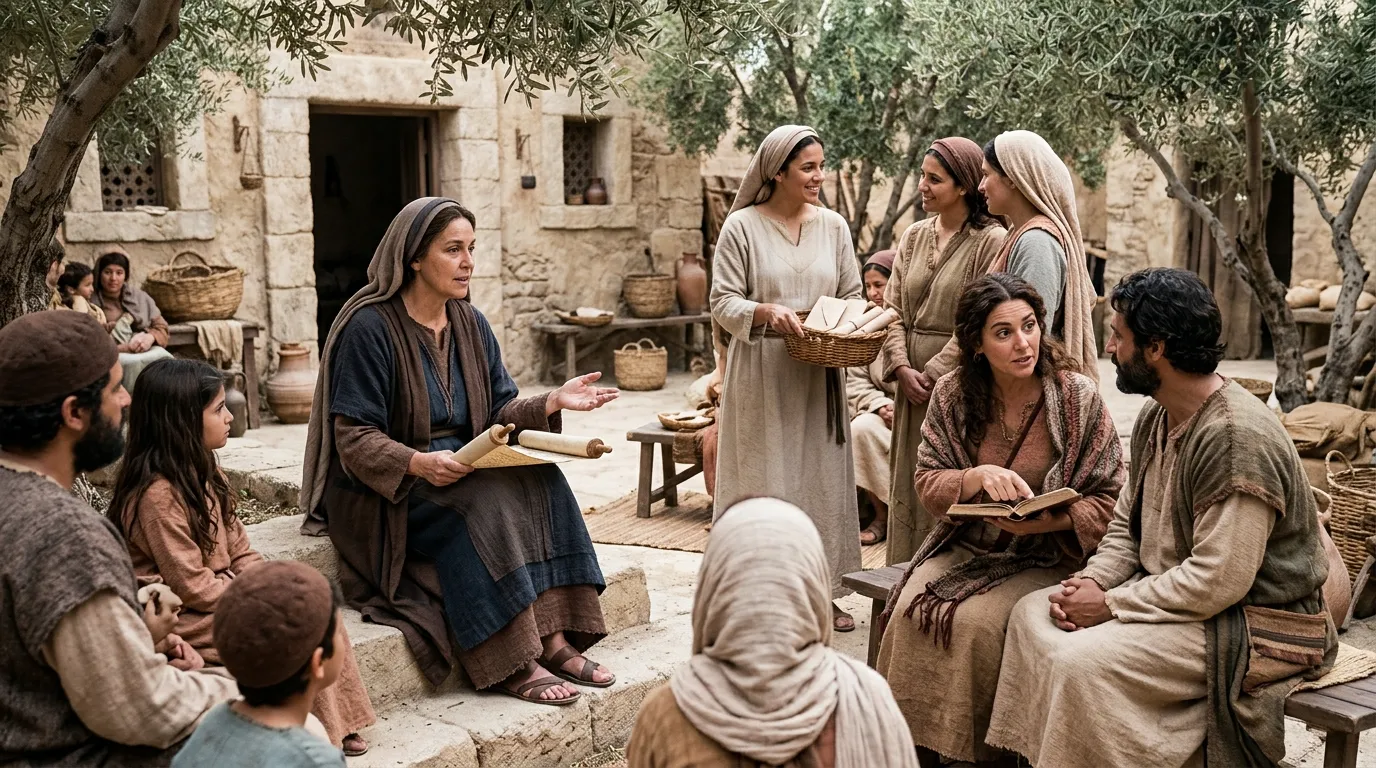
Women pastors in the Bible remain one of the most discussed topics in Christianity today. Many believers study scripture to understand the role of women in church leadership, teaching, and ministry.
The Bible mentions several influential women such as Deborah, Priscilla, Phoebe, and Miriam, who played important spiritual and leadership roles among God’s people. Some Christians believe these examples support women serving as pastors, while others interpret certain passages differently.
Understanding the historical background, biblical context, and theological perspectives can help readers gain a balanced view of this important subject. This topic also raises questions about faith, church traditions, and modern ministry practices.
By exploring biblical references and scholarly interpretations, readers can better understand how women contributed to spiritual leadership throughout scripture. If you are researching theology, preparing a sermon, or simply curious, learning about women pastors in the Bible offers valuable insight into Christian history and ministry today.
What Does “Women Pastors Bible” Mean in Scripture?
The phrase “women pastors Bible” does not refer to a single verse or named concept in Scripture. Instead, it represents a modern theological question:
Does the Bible support women serving as pastors or spiritual leaders in the church?
The Bible does not use the modern term “pastor” in a formal job sense. The concept is closer to:
- Shepherding (Greek: poimēn)
- Teaching
- Prophecy
- Leadership in early Christian communities
Hebrew and Greek Background
- Hebrew tradition emphasized family, crew, and prophetic leadership roles.
- Greek New Testament introduces early church leadership roles like:
- elders
- deacons
- teachers
- overseers
The debate about women pastors comes from interpreting how these roles apply today.
Are Women Pastors Mentioned in the Bible?
The Bible does not explicitly use the term “female pastor,” but it does mention several women in leadership, ministry, and spiritual authority roles.
Key Biblical Examples
1. Deborah – Judge and Leader
Deborah (Judges 4–5) was a prophetess and judge who led Israel.
- She gave spiritual direction
- She led military decisions
- She represented God’s authority
Meaning: God can raise leadership beyond cultural expectations.
2. Priscilla – Teacher of the Gospel
Priscilla (Acts 18:26) helped teach Apollos more accurately about God’s Word.
- She taught alongside her husband
- She helped shape early Christian teaching
Meaning: Women participated in theological instruction in the early church.
3. Phoebe – Deacon in the Church
Romans 16:1 describes Phoebe as a “servant” or deacon (diakonos).
Meaning: She held an official ministry role in the early Christian community.
4. Mary Magdalene – First Witness of Resurrection
She was the first to witness and proclaim Jesus’ resurrection.
Meaning: God entrusted her with the first message of the risen Christ.
Spiritual Meaning of Women in Ministry
1. Calling Is Based on God, Not Gender Alone
“There is neither male nor female, for you are all one in Christ Jesus.” Galatians 3:28
This verse emphasizes spiritual equality in salvation and calling.
Insight
Spiritual purpose is not limited by:
- gender
- background
- social status
2. Leadership in Scripture Is Often Unexpected
God frequently chooses unlikely people:
- Moses (speech difficulties)
- David (young shepherd)
- Esther (orphaned girl became queen)
Meaning: Divine calling often breaks human expectations.
3. Spiritual Authority Is Connected to Character
“Shepherd the flock of God that is among you…” 1 Peter 5:2
Leadership in Scripture emphasizes:
- humility
- service
- responsibility
- compassion
Meaning: True spiritual leadership is about service, not control.
4. The Early Church Included Women in Ministry
Romans 16 mentions several women involved in:
- teaching
- serving
- supporting churches
- missionary work
Meaning: Women were active in early Christian expansion.
5. Spiritual Gifts Are Distributed to All Believers
“The Spirit distributes gifts to each one, just as He wills.” 1 Corinthians 12:11
Gifts include:
- teaching
- prophecy
- encouragement
- leadership
Meaning: Spiritual gifts are not gender-restricted.
Modern-Day Relevance: Women Pastors and Identity Today
The topic of women pastors Bible interpretation connects deeply with modern struggles:
1. Identity Confusion
Many women today struggle with questions like:
- Am I allowed to lead spiritually?
- Does my voice matter in faith spaces?
- Am I truly called by God?
2. Anxiety and Pressure
Cultural expectations often create stress:
- family traditions
- religious restrictions
- fear of judgment
- fear of rejection
3. Relationships and Belonging
This topic can affect:
- marriage expectations
- church acceptance
- community roles
- emotional confidence
4. Personal Growth and Purpose
Many women feel a strong inner calling toward:
- teaching
- mentoring
- ministry
- leadership
This creates tension between inner conviction and external limitations.
Dreams, Signs, and Spiritual Sensitivity
Some people report dreams or repeated thoughts about leadership, teaching, or spiritual calling.
Spiritual Interpretation
Biblically, God sometimes guided people through:
- dreams
- visions
- inner conviction
Examples:
- Joseph’s dreams
- Peter’s vision in Acts
Psychological Interpretation
From a psychological view:
- The subconscious processes identity desires
- Repeated thoughts reflect emotional importance
- Dreams may represent ambition, fear, or calling
Balanced Understanding
Not every dream is a direct divine command, but it can reflect:
- inner longing
- emotional processing
- spiritual curiosity
Scientific Insights: Mind, Identity, and Calling
Modern psychology explains how beliefs about identity form:
1. Subconscious Identity Formation
The mind builds identity through:
- repeated experiences
- social messages
- emotional reinforcement
2. Emotional Symbolism
Roles like “leader” or “teacher” often symbolize:
- control
- purpose
- recognition
- responsibility
3. Cognitive Dissonance
When inner calling conflicts with external expectations, it creates:
- stress
- confusion
- emotional tension
4. Growth Through Reflection
Healthy identity development includes:
- self-reflection
- value clarification
- emotional awareness
Practical Life Lessons From a Biblical Perspective
1. Practice Honest Reflection
Ask yourself:
- What is my true calling?
- What brings spiritual peace?
- What aligns with my values?
2. Develop Gratitude
Gratitude helps reduce:
- comparison
- insecurity
- anxiety
It builds emotional clarity.
3. Strengthen Prayer Life
Prayer helps:
- reduce emotional confusion
- improve clarity
- strengthen inner peace
4. Build Emotional Awareness
Recognize:
- fear vs calling
- pressure vs purpose
- doubt vs direction
5. Focus on Character Growth
Biblical leadership always emphasizes:
- humility
- service
- compassion
- integrity
Balanced Biblical Perspective
The Bible contains:
- examples of women in leadership
- teachings on spiritual equality
- cultural differences in historical context
However, interpretations vary across denominations and traditions.
A balanced understanding includes:
- respect for Scripture
- awareness of context
- humility in interpretation
- openness to dialogue
Not every interpretation is identical, but sincerity in faith matters deeply.
Featured Snippet Summary
The Bible does not directly use the term “women pastors,” but it includes several examples of women in spiritual leadership such as Deborah, Priscilla, and Phoebe. Interpretations differ across Christian traditions, but many passages emphasize spiritual equality and the distribution of gifts to all believers regardless of gender.
Frequently Asked Questions
1. Does the Bible support women pastors?
The Bible includes human beings in leadership roles, but interpretations vary across denominations regarding pastoral authority.
2. Were there female leaders in the Bible?
Yes. Examples include Deborah, Priscilla, and Phoebe.
3. What does the Bible say about women teaching?
Some passages discuss teaching roles, while others are interpreted differently depending on context and tradition.
4. Are spiritual gifts given to both men and women?
Yes. Scripture teaches that spiritual gifts are given by the Holy Spirit to all believers.
5. Can women serve in ministry today?
Many modern churches allow women to serve in teaching, preaching, and leadership roles, depending on their doctrinal beliefs.
Conclusion:
The discussion around women pastors Bible teachings is ultimately about more than roles; it is about identity, purpose, and spiritual calling.
Across Scripture, we see a consistent message:
- God calls people beyond cultural limitations
- Spiritual gifts are given according to His will
- Leadership is rooted in character, not status
- Purpose is shaped by divine intention, not human restriction
In today’s world, where identity confusion, anxiety, and pressure are common, this topic becomes deeply personal. Many people are not just asking theological questions they are asking, “Do I have a place in God’s plan?”
The biblical narrative suggests that purpose is not limited by human expectation. Instead, it invites reflection, humility, and a deeper understanding of calling.
In the end, the journey is not just about roles in the church it is about discovering peace, confidence, and meaning in your spiritual identity, trusting that your life carries purpose beyond what the world defines.

James Harper is a passionate writer and digital creator known for sharing insightful, engaging, and easy-to-understand content. With a strong interest in technology, creativity, and modern trends, he aims to inspire readers through informative articles and fresh ideas. His writing style combines simplicity with professionalism, making content enjoyable for every audience.