Have you ever read a passage in Scripture and felt genuinely unsettled maybe even confused about what God was allowing or commanding? If so, you are not alone. The topic of killing in the Bible is one of the most honestly challenging and deeply misunderstood subjects that Christian readers encounter throughout their faith journey.
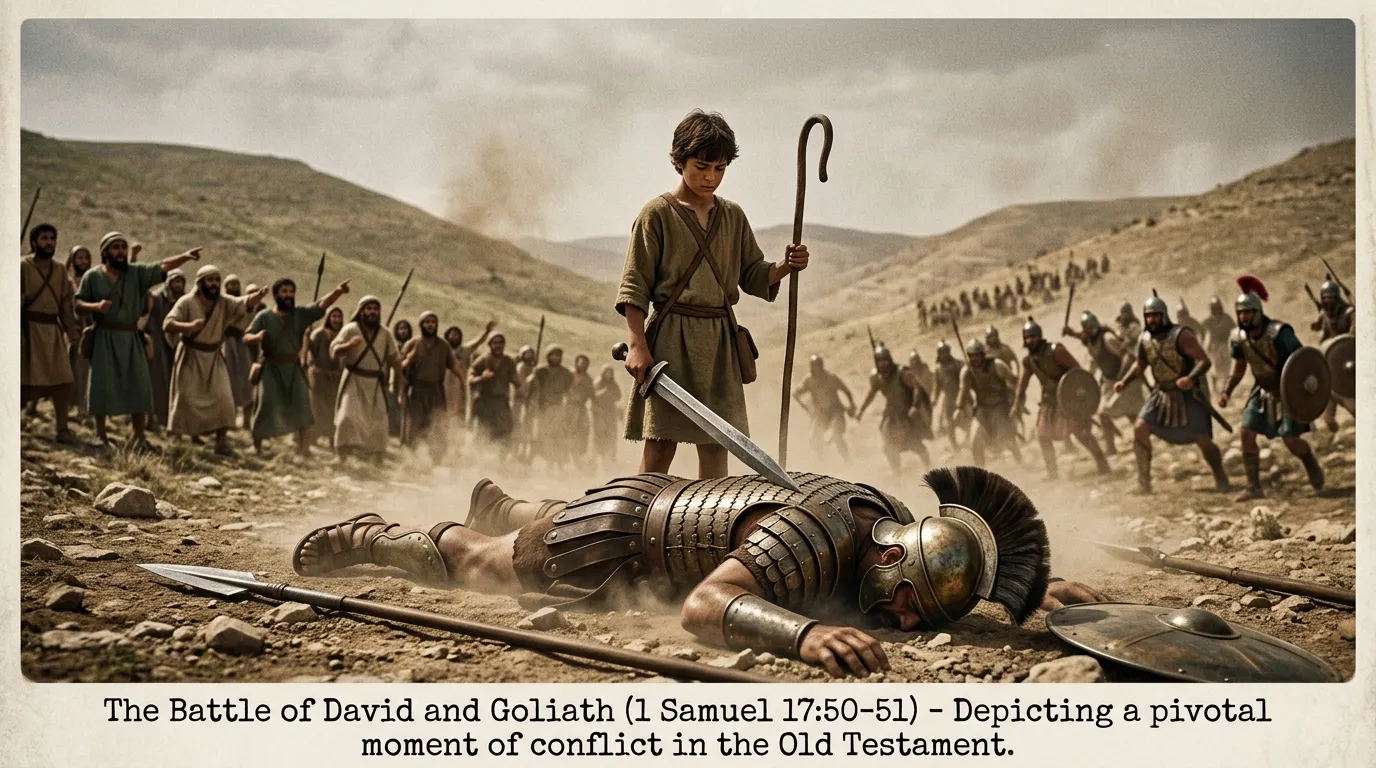
From the wars of the Old Testament to the powerful words of Jesus in the New Testament, Scripture addresses violence, death, justice, and mercy with a depth and complexity that demands careful, prayerful study. Exodus 20:13 declares clearly “You shall not murder” yet the Bible also records wars, executions, and battles carried out under God’s direction. So how do we make sense of it all?
Understanding killing in the Bible requires us to look beyond surface-level reading and dive into the full counsel of God’s Word with humility, context, and an open heart. This is not a topic to avoid it is a topic that when studied faithfully, reveals the stunning holiness, perfect justice and overflowing mercy of a God who values every single human life. Let us walk through this together with honesty, grace and unwavering faith.
What Is the Biblical Meaning of Killing in the Bible?
Featured Snippet Answer
The biblical meaning of killing in the Bible goes beyond physical death. While Scripture consistently teaches the value of human life and condemns unlawful murder, stories involving killing often reveal deeper themes such as the consequences of sin, divine justice, spiritual transformation, repentance, and God’s plan for redemption. The Bible uses these accounts to teach moral and spiritual lessons rather than to promote violence.
Does the Bible Talk About Killing?
Yes. The Bible contains many references to killing, death, warfare, judgment, sacrifice, and murder.
However, it is important to understand that Scripture distinguishes between different types of killing. The Bible does not treat every act of taking life in the same way.
Hebrew Meaning of “Kill”
One of the most well-known Hebrew words connected to killing is ratsach (רָצַח).
This word appears in the Sixth Commandment:
“You shall not murder.” — Exodus 20:13
The Hebrew term specifically refers to unlawful killing or murder rather than every possible form of taking life.
Other Hebrew words describe warfare, judgment, self-defense, or legal punishment in different contexts.
Greek Meaning in the New Testament
In the New Testament, Greek words related to killing and murder include terms such as:
- Phoneuo (to murder)
- Apokteino (to kill or put to death)
These distinctions help readers understand that biblical teachings about killing are often more nuanced than a simple English translation may suggest.
Spiritual Meanings of Killing in the Bible
Killing Often Represents the Consequences of Sin
One of the earliest stories involving killing appears in Genesis with Cain and Abel.
Consumed by jealousy and anger, Cain killed his brother Abel.
Genesis 4 demonstrates how unchecked emotions can lead to destructive actions.
The spiritual lesson is not simply about physical murder.
It reveals how:
- Bitterness grows when ignored.
- Jealousy can damage relationships.
- Sin often begins internally before becoming external.
Jesus later expanded this teaching by explaining that hatred and anger can be spiritual issues long before physical actions occur.
Modern Example
Most people will never commit murder, but many struggle with resentment, envy, or unresolved anger.
The story of Cain reminds us that inner attitudes matter just as much as outward behavior.
Killing Symbolizes the Destructive Power of Human Brokenness
Throughout Scripture, stories involving violence reveal the reality of humanity’s fallen condition.
The Bible consistently shows that when people reject God’s wisdom, destructive consequences often follow.
Romans 3:23 teaches:
“For all have sinned and fall short of the glory of God.”
The deeper spiritual meaning is that killing reflects what happens when selfishness, pride, greed, or hatred dominate the human heart.
The focus is not merely on physical violence but on the brokenness that produces it.
Killing Can Represent the Death of an Old Life
In the New Testament, believers are often called to “put to death” sinful habits and destructive patterns.
Colossians 3:5 says:
“Put to death, therefore, whatever belongs to your earthly nature.”
This is symbolic language.
It does not refer to harming people.
Instead, it means removing attitudes and behaviors such as:
- Greed
- Lust
- Pride
- Anger
- Selfishness
Spiritually speaking, growth often requires letting old habits die so a healthier life can emerge.
Modern Example
Someone overcoming addiction, toxic relationships, or destructive thinking patterns is experiencing a form of spiritual transformation similar to what Paul describes.
Killing Highlights the Seriousness of Moral Choices
The Bible repeatedly emphasizes that choices have consequences.
Stories involving killing often demonstrate the ripple effects of human decisions.
A single act of violence can impact:
- Families
- Communities
- Future generations
Galatians 6:7 teaches:
“A man reaps what he sows.”
This principle applies to far more than physical actions.
It reminds us that our daily choices shape our future character and direction.
Killing Reveals God’s Commitment to Justice
Many difficult passages involving judgment reflect another important biblical theme: justice.
The Bible presents God as both loving and just.
While modern readers sometimes struggle with these stories, Scripture consistently portrays God as opposing evil, protecting the vulnerable, and holding people accountable for their actions.
Justice without mercy becomes harsh.
Mercy without justice becomes meaningless.
The biblical narrative seeks to balance both.
Killing Ultimately Points Toward Redemption
Perhaps the most important spiritual lesson is that the Bible’s story does not end with death.
It ends with redemption.
The death and resurrection of Jesus Christ stand at the center of the Christian faith.
Through Christ, themes of death are transformed into themes of life, hope, forgiveness, and restoration.
What appears hopeless is often where God begins His greatest work.
Why the Biblical Meaning of Killing Matters Today
Many people assume stories about killing have little relevance to modern life.
In reality, the underlying lessons remain highly relevant.
Anxiety and Emotional Struggles
Anger, fear, and resentment can damage emotional health.
The Bible encourages believers to address these emotions before they become destructive.
Identity Confusion
Many people struggle to understand who they are and what gives their lives meaning.
The Bible teaches that identity should be rooted in God’s purpose rather than temporary circumstances.
Relationship Challenges
Broken relationships often begin with unresolved conflict.
Biblical teachings encourage forgiveness, reconciliation, and healthy communication.
Personal Growth
Spiritual maturity often requires leaving behind unhealthy patterns.
Just as Scripture speaks symbolically about putting old behaviors to death, personal growth requires letting go of habits that no longer serve us.
Dreams About Killing: Spiritual and Psychological Interpretations
Dreams involving killing can feel shocking or disturbing.
However, they are rarely meant to be interpreted literally.
Spiritual Interpretation
From a spiritual perspective, dreams about killing may symbolize:
- Ending a harmful habit
- Overcoming temptation
- Breaking free from the past
- Spiritual transformation
- Letting go of fear
Many symbolic dreams involve endings that lead to new beginnings.
Psychological Interpretation
Psychologists often view dreams about killing as reflections of:
- Internal conflict
- Repressed emotions
- Frustration
- Major life changes
- Identity transitions
The dream may represent a desire to eliminate a problem rather than harm a person.
Repeated Signs and Synchronicity
Some people notice repeated themes related to death, endings, or transformation in dreams, conversations, or life events.
Spiritual Perspective
These experiences may encourage reflection on:
- Personal growth
- Spiritual renewal
- Unresolved issues
- Areas requiring change
Balanced Perspective
Not every coincidence is a supernatural message.
Sometimes repeated themes appear because the mind is focused on a particular concern or life transition.
Wisdom involves considering both spiritual and practical explanations.
Scientific Insights: What Psychology Says About Violent Symbols
Modern psychology provides valuable insight into symbolic imagery.
The Subconscious Mind
The subconscious stores:
- Memories
- Emotions
- Fears
- Beliefs
- Unresolved experiences
Dreams often use dramatic symbols to communicate emotional information.
Identity Formation
Major life changes frequently trigger symbolic dreams.
Ending one phase of life often feels like the “death” of an old identity.
Examples include:
- Career changes
- Marriage
- Divorce
- Recovery from addiction
- Spiritual transformation
Emotional Symbolism
Violent imagery in dreams usually represents emotional intensity rather than literal desires.
The mind uses powerful symbols to process change and conflict.
Practical Life Lessons From the Biblical Meaning of Killing
Practice Honest Self-Reflection
Regularly examine your thoughts, attitudes, and motivations.
Ask yourself:
- What emotions am I carrying?
- What habits need to change?
- Where do I need healing?
Develop Gratitude
Gratitude shifts focus from negativity toward growth and possibility.
Consider writing down three things you’re thankful for each day.
Strengthen Your Prayer Life
Prayer creates space for wisdom, peace, and guidance.
It helps redirect attention toward God’s presence and purpose.
Build Emotional Awareness
Pay attention to:
- Anger
- Frustration
- Fear
- Resentment
- Anxiety
Recognizing emotions early prevents them from becoming destructive.
Pursue Healthy Relationships
Supportive relationships promote healing, accountability, and personal growth.
No one is meant to navigate life’s challenges alone.
Common Misunderstandings About Killing in the Bible
Many people misunderstand biblical passages involving violence.
Important truths to remember:
- The Bible records events but does not always approve of them.
- Historical descriptions are not necessarily moral endorsements.
- Many stories reveal consequences rather than examples to imitate.
- The broader message of Scripture emphasizes life, redemption, justice, and reconciliation.
Context matters.
Reading individual verses without understanding their historical and spiritual setting can create confusion.
FAQs:
What does killing symbolize in the Bible?
Killing often symbolizes the consequences of sin, spiritual transformation, divine justice, or the need to remove destructive behaviors from one’s life.
Does the Bible support murder?
No. The Bible consistently teaches the value of human life and condemns unlawful killing and murder.
Why are there violent stories in the Bible?
These stories reveal human brokenness, the reality of sin, the need for justice, and God’s plan for redemption.
What does dreaming about killing mean spiritually?
Spiritually, such dreams often symbolize transformation, letting go of harmful habits, or overcoming obstacles rather than literal violence.
What can Christians learn from difficult biblical stories?
These passages teach wisdom, accountability, compassion, forgiveness, and the importance of living according to God’s guidance.
Conclusion:
The subject of killing in the Bible is not one that God asks us to ignore or explain away it is one He invites us to study carefully, prayerfully and with a heart fully surrendered to His wisdom. Throughout Scripture, God makes an unmistakably clear distinction between murder, justified war, capital punishment and divine judgment and each category reveals a different and profound dimension of His holy and perfectly just character.
The same God who commands us not to murder in Exodus 20:13 is the God who sent His only Son to die so that no one would have to face eternal death alone. That is not contradiction that is the breathtaking beauty of a God whose justice and mercy meet perfectly at the cross of Jesus Christ.
As you continue studying killing in the Bible, allow these hard passages to deepen your reverence for God rather than shake your faith in Him. Every difficult verse is an invitation to trust Him more completely. So here is your call to action today open your Bible, find one challenging passage, pray for understanding, and let God reveal the beauty hidden within even the hardest truths of His Word.

Adrian Cole is a creative author and digital writer known for producing engaging, informative, and inspiring content across multiple topics. His work focuses on creativity, technology, and modern online trends.