Choosing the right Bible translation can completely transform the way you understand scripture, strengthen your faith, and connect with God’s message on a deeper level.
With so many versions available today from word-for-word translations like the King James Version and English Standard Version to thought-for-thought options like the New Living Translation it’s easy to feel overwhelmed.
Each translation serves a unique purpose, whether you’re studying theology, seeking everyday readability, or exploring the Bible for the first time. The best Bible translation for you depends on your spiritual goals, reading style, and desire for accuracy or simplicity.
A clear and relatable translation can make scripture feel alive, helping you apply timeless biblical wisdom to your daily life.
In this guide, we’ll explore the most popular Bible translations, their strengths, and how choosing the right version can change the way you experience God’s Word forever and deepen your spiritual understanding.
Understanding Bible Translation Philosophy: The Spectrum That Matters
Before comparing specific versions, you need to understand one key concept: the translation philosophy spectrum.
Word-for-Word (Formal Equivalence)
These translations prioritize translating each original word as literally as possible.
Examples
- NASB
- ESV
- KJV
- NKJV
Best For
- Deep Bible study
- Theology
- Word studies
Challenge
Can feel formal or difficult to read devotionally.
Thought-for-Thought (Dynamic Equivalence)
These translations focus on conveying the meaning and intent of the original text in natural English.
Examples
- NIV
- CSB
- NLT
Best For
- Daily reading
- New believers
- Easier understanding
Challenge
Some theological nuance may be softened.
Paraphrase
Paraphrases retell biblical ideas in modern language for emotional impact and accessibility.
Examples
- The Message (MSG)
- The Passion Translation (TPT)
- The Living Bible
Best For
- Fresh devotional reading
- Sharing with non-believers
Challenge
Not ideal for deep doctrinal study.
The Major Bible Translations Deep Spiritual and Practical Insights
1. The King James Version (KJV) Sacred Majesty
Published in 1611, the King James Version remains one of the most influential English texts ever written.
Famous Verse
“For God so loved the world, that he gave his only begotten Son…” John 3:16 (KJV)
Strengths
- Majestic language
- Deep emotional impact
- Historic beauty
Weaknesses
- Archaic language
- Difficult for beginners
2. The New American Standard Bible (NASB) The Scholar’s Choice
The NASB is widely respected for its precision and word-for-word accuracy.
Best For
- Seminary students
- Pastors
- Serious Bible study
Key Strength
Maintains close connection to original Hebrew and Greek wording.
3. The English Standard Version (ESV) Reverence Meets Readability
The ESV balances theological precision with smoother English readability.
Popular Among
- Evangelical churches
- Reformed communities
- Expository preachers
Why People Love It
It preserves theological depth while remaining readable.
4. The New International Version (NIV) The World’s Most-Read Translation
The NIV combines clarity with accuracy, making it one of the most popular modern Bible translations.
Best For
- Daily devotional reading
- General church use
- New and mature believers alike
Major Advantage
Natural modern English that feels emotionally direct.
5. The New Living Translation (NLT) For the Broken and the Searching
The NLT speaks in highly accessible and emotionally warm language.
Best For
- New Christians
- Recovery ministries
- Emotionally wounded readers
Why It Connects Deeply
It uses language people naturally speak and feel.
6. The Christian Standard Bible (CSB) The Balanced Modern Standard
The CSB aims to combine accuracy with readability through “optimal equivalence.”
Best For
- Balanced study and devotional reading
- Churches and small groups
Key Benefit
Strong clarity without sacrificing theological richness.
Modern-Day Relevance: How Bible Translations Speak to Real Life
Anxiety and Mental Health
The words people read during emotional struggles matter deeply.
Example
Isaiah 41:10 in different translations:
- ESV: “Fear not…”
- NLT: “Don’t be afraid…”
Different wording creates different emotional impact.
Identity Confusion and Purpose
Bible translations shape how people understand identity, worth, and purpose.
Example
Jeremiah 29:11:
- ESV uses “welfare”
- NLT uses “good”
Both communicate hope differently.
Relationships and Emotional Intelligence
Translations also affect how people understand love, forgiveness, and relationships.
Example
The KJV uses “charity” instead of “love” in 1 Corinthians 13, creating deeper theological nuance.
Dreams, Repeated Signs, and Synchronicity What Does Scripture Say?
Dreams in Scripture
Dreams appear throughout the Bible as moments of guidance and revelation.
Biblical Figures Who Experienced Dreams
- Joseph
- Daniel
- Solomon
- Paul
Spiritual and Psychological Interpretation
Dreams can be understood:
- Spiritually
- Emotionally
- Psychologically
Both perspectives can work together rather than compete.
A Balanced View on Spiritual Signs
Not every coincidence is a divine message. Wisdom, discernment, and Scripture remain essential.
Scientific Insights: Language, Identity, and the Brain
How Language Shapes Identity
Neuroscience shows that language affects emotional and cognitive processing.
Important Insight
Words with stronger emotional resonance create deeper psychological impact.
Scripture and Emotional Memory
Verses encountered during emotional moments are remembered more powerfully.
Why This Matters
The translation you read can shape long-term spiritual memory and emotional resilience.
Practical, Actionable Life Lessons Making the Most of Any Translation
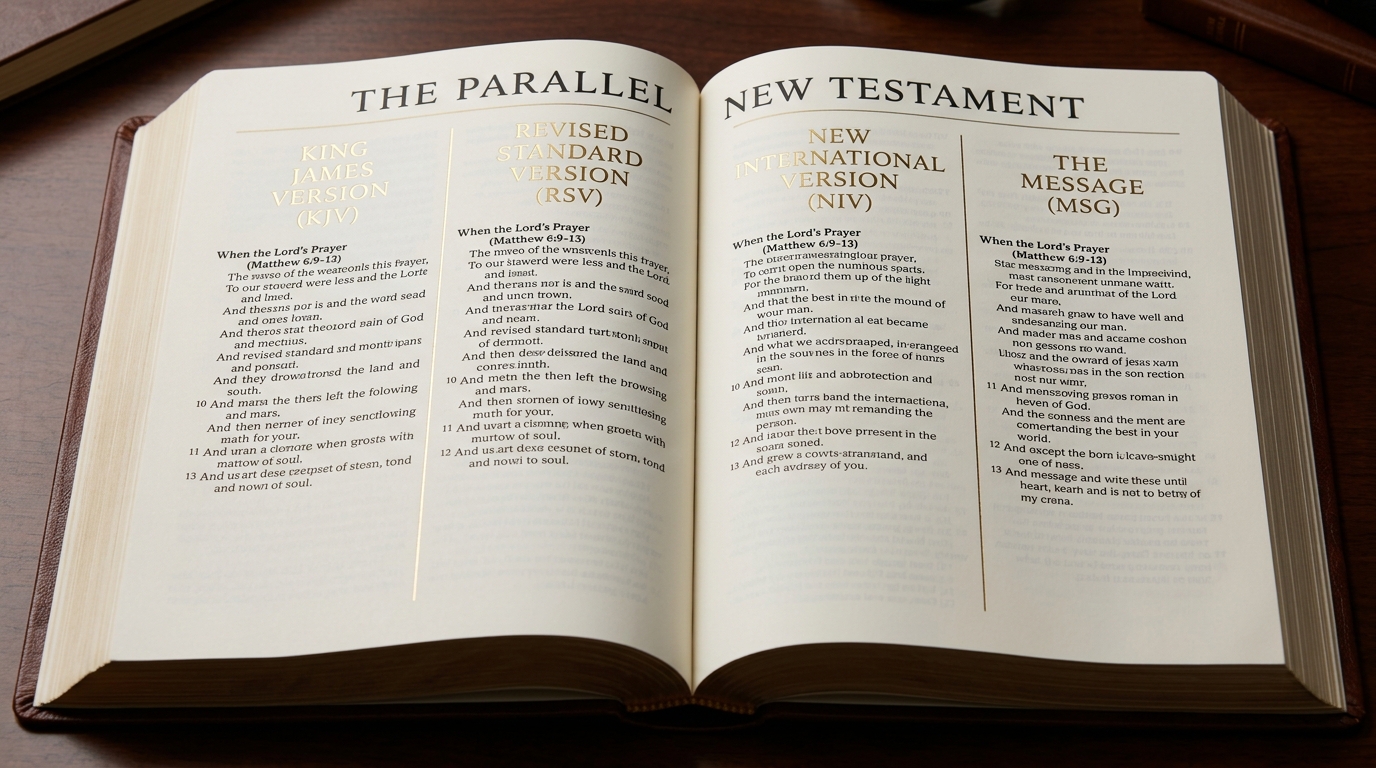
1. Use Multiple Translations
Comparing translations reveals deeper layers of meaning.
2. Practice Lectio Divina Sacred Reading
Read slowly and reflect deeply on specific words or phrases.
3. Gratitude Journaling with Scripture
Write one gratitude insight after reading each passage.
4. Pray the Text
Turn Scripture into personal prayer.
5. Reflection Over Speed
One deeply understood verse is often more powerful than many chapters skimmed quickly.
A Balanced and Honest Perspective
Choosing a Bible translation is not about spiritual superiority.
Important Reminder
- KJV readers are not more holy
- NLT readers are not less serious
- Different translations serve different spiritual needs
Healthy spiritual growth includes:
- Community
- Wisdom
- Accountability
- Humility
FAQs
What is the most accurate Bible translation in English?
The NASB is widely considered the most accurate word-for-word English translation.
Which Bible translation is best for beginners?
The NLT and NIV are excellent for beginners because they use clear, modern English.
Is The Message a reliable Bible translation?
The Message is a paraphrase designed for devotional reading rather than strict doctrinal study.
What Bible translation do most churches use?
The NIV remains one of the most widely used translations globally.
Should I use one Bible translation or multiple?
Many mature readers use multiple translations for study, devotion, and fresh perspective.
Final Thoughts
The best Bible translation is not simply the most accurate or most beautiful. It is the one that keeps drawing you back into Scripture again and again.
The Bible is not merely an ancient religious book. It is a living text that has comforted, challenged, guided, and transformed people for thousands of years.
Find the translation that helps you hear its message clearly and keep reading.